 ColorBee Photography Tours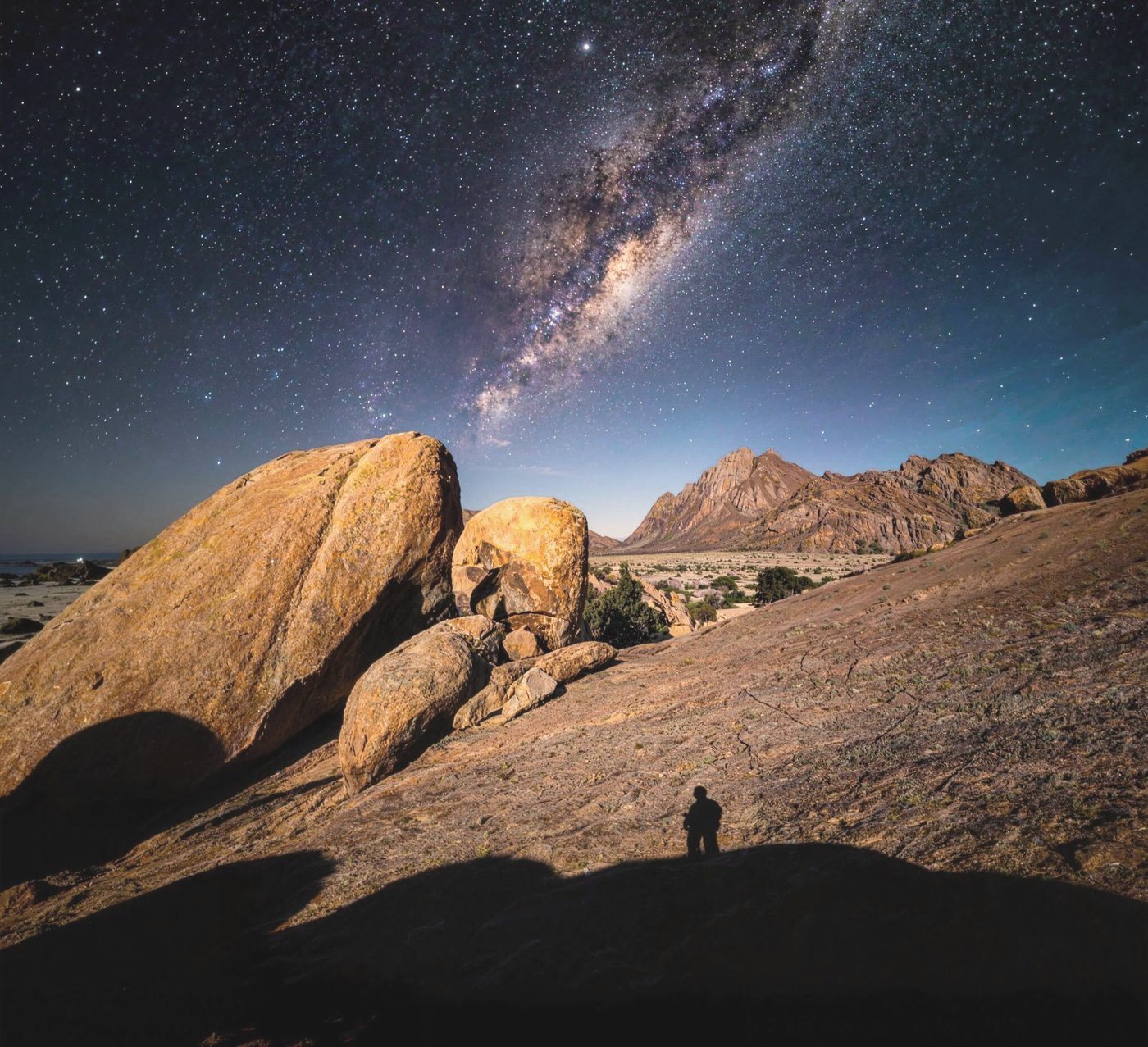
The Southern Hemisphere’s best night skies
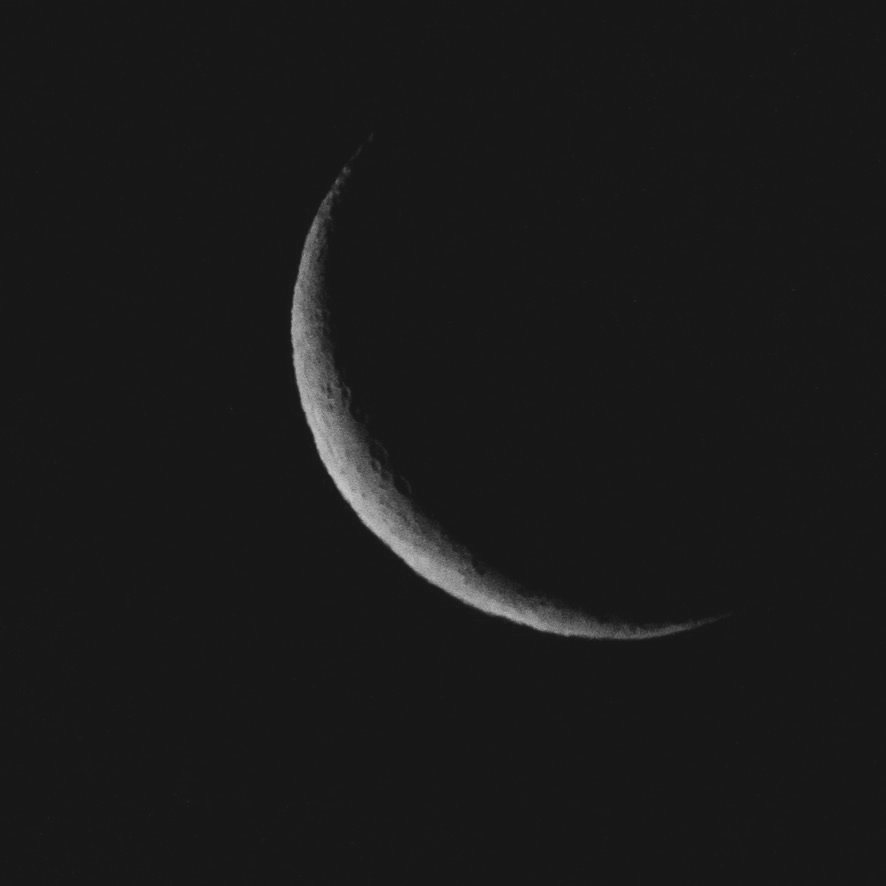
Timed for the June new moon: no moonlight, no light pollution, just the Milky Way blazing over the red desert.
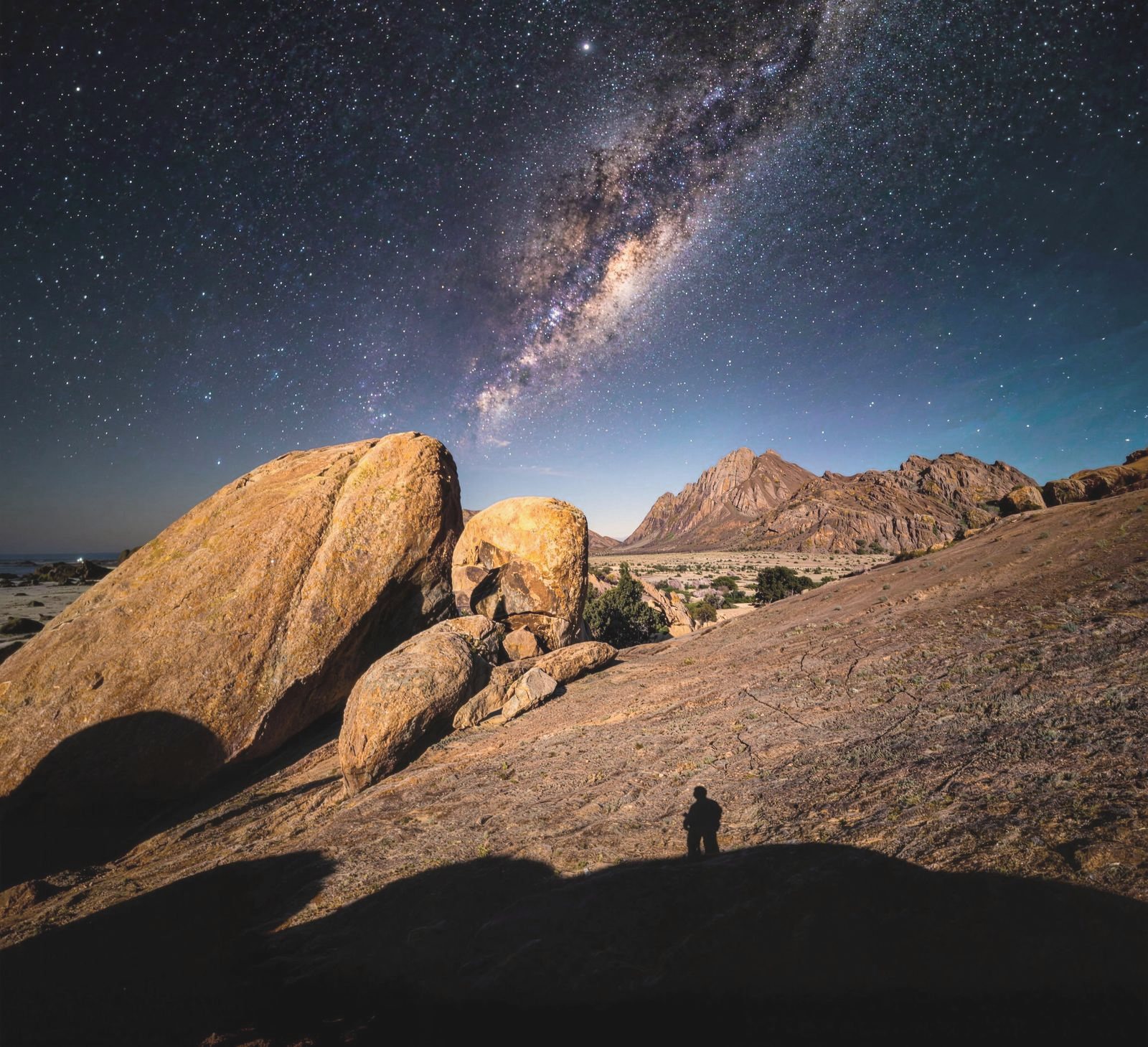
From starlit red dunes in the Namib to the water and wildlife of the Okavango Delta. We go at new moon, when skies are darkest, for the southern hemisphere’s best Milky Way.
Timed for the June new moon: no moonlight, no light pollution, just the Milky Way blazing over the red desert.
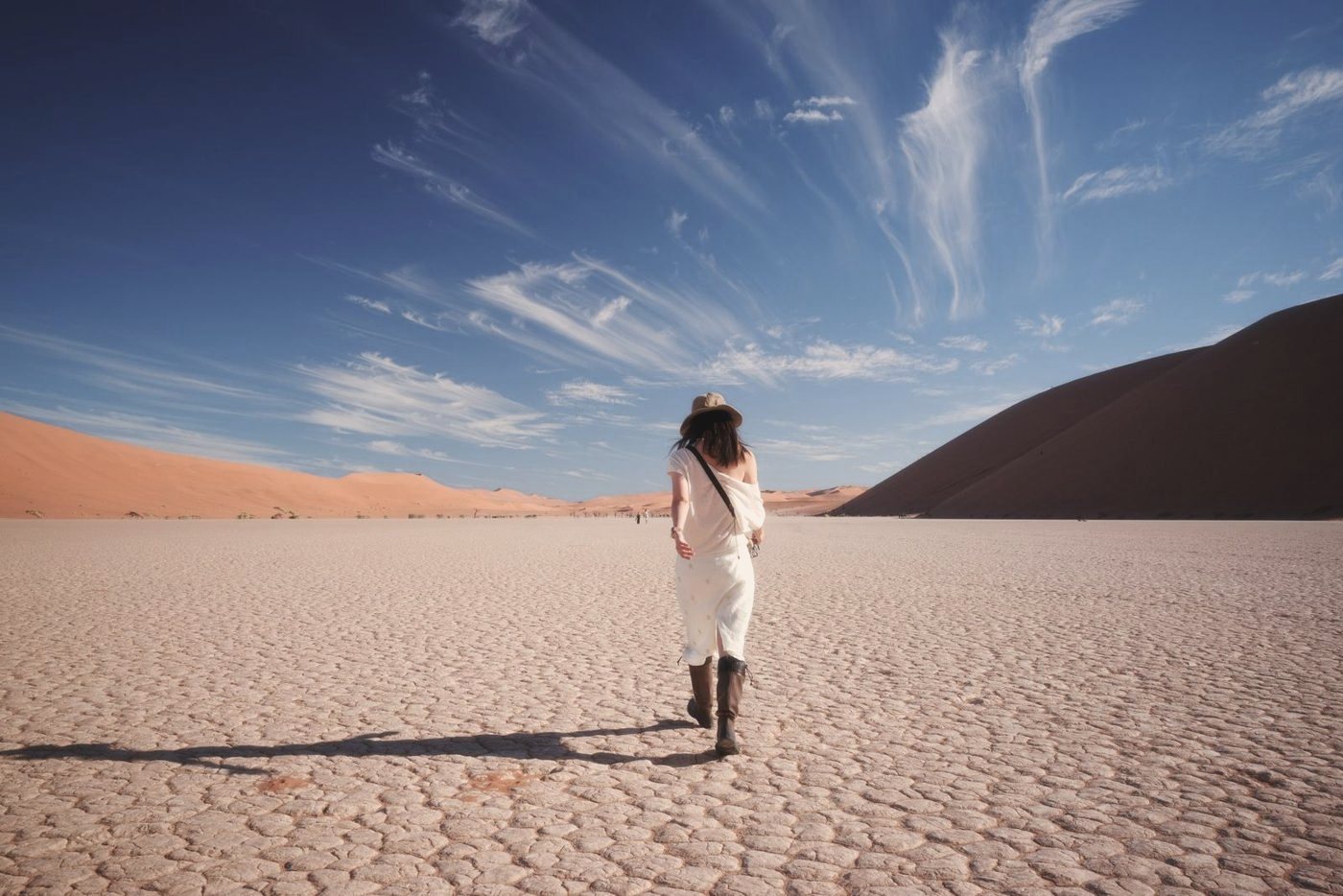
The Namib’s red dunes glow at sunrise and sunset, and Deadvlei’s white clay pan and dead trees are a shot every photographer dreams of.
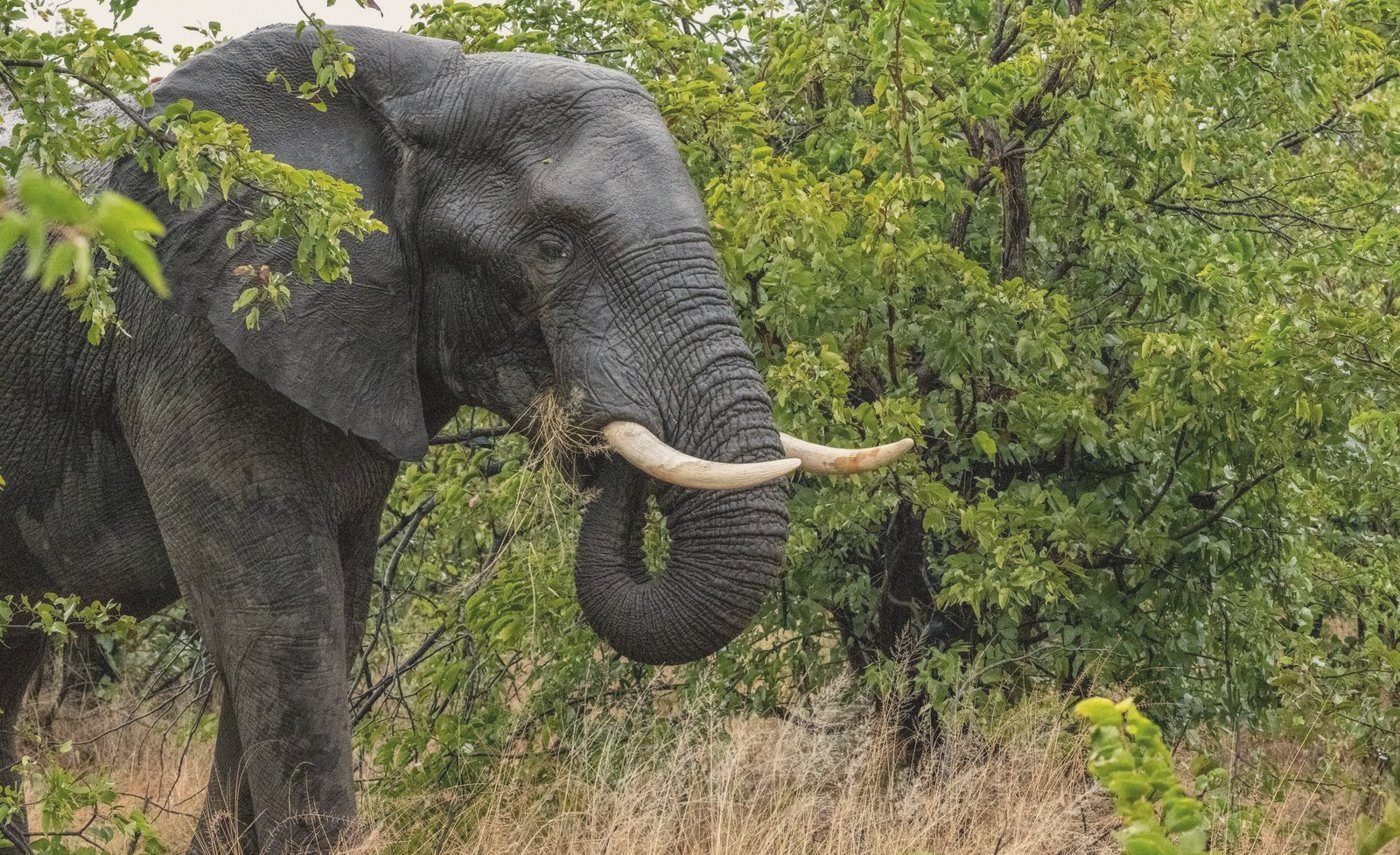
Chobe’s elephant herds, mokoro canoes and dawn safaris in the Okavango Delta – wildlife up close.
Fly into Windhoek, Namibia’s capital, for pick-up and check-in. After lunch, a private city tour: the German Lutheran Christuskirche, Parliament Gardens and the National Museum. With its tidy streets and European-style buildings, it feels like a European hill town.
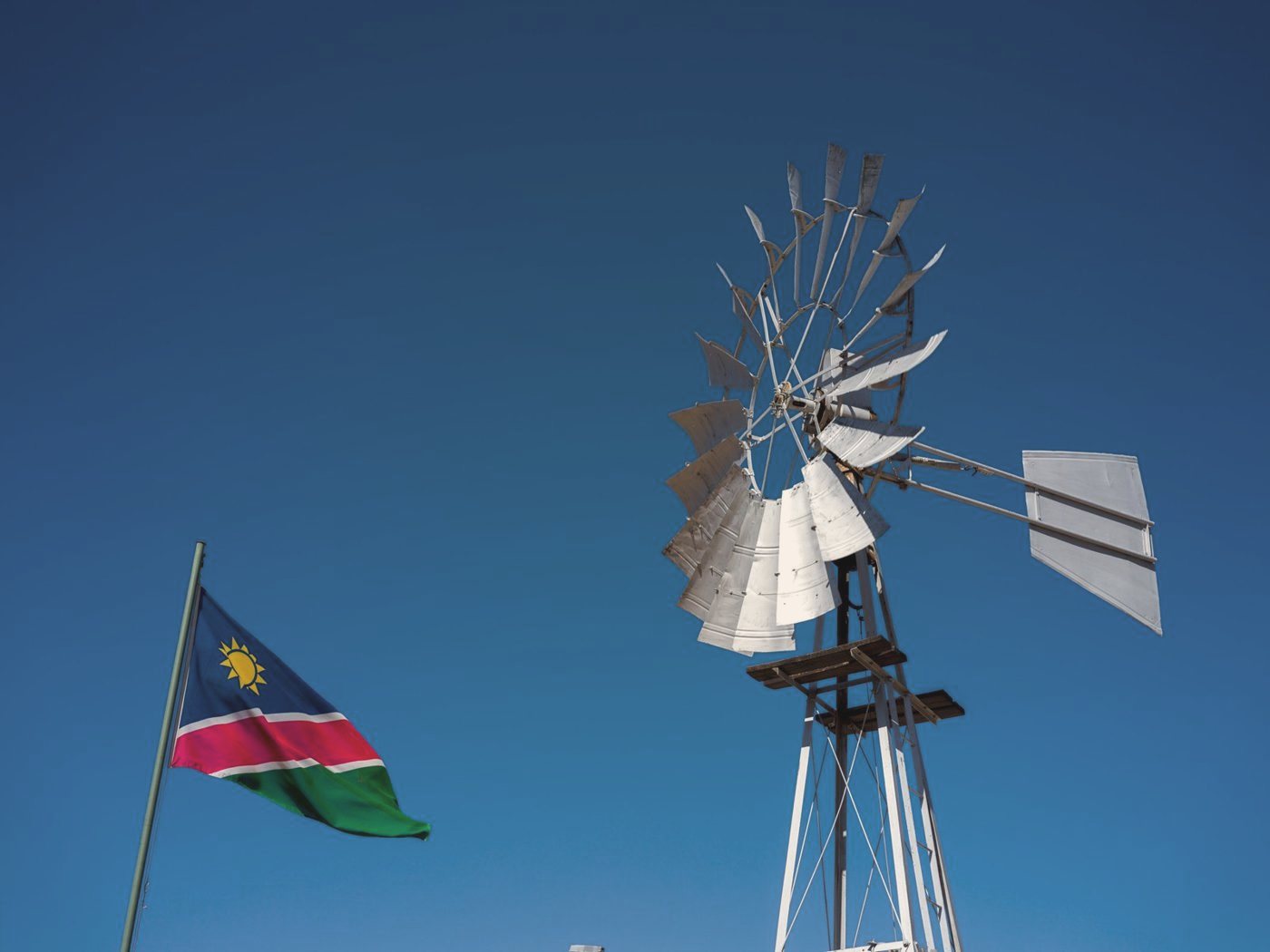
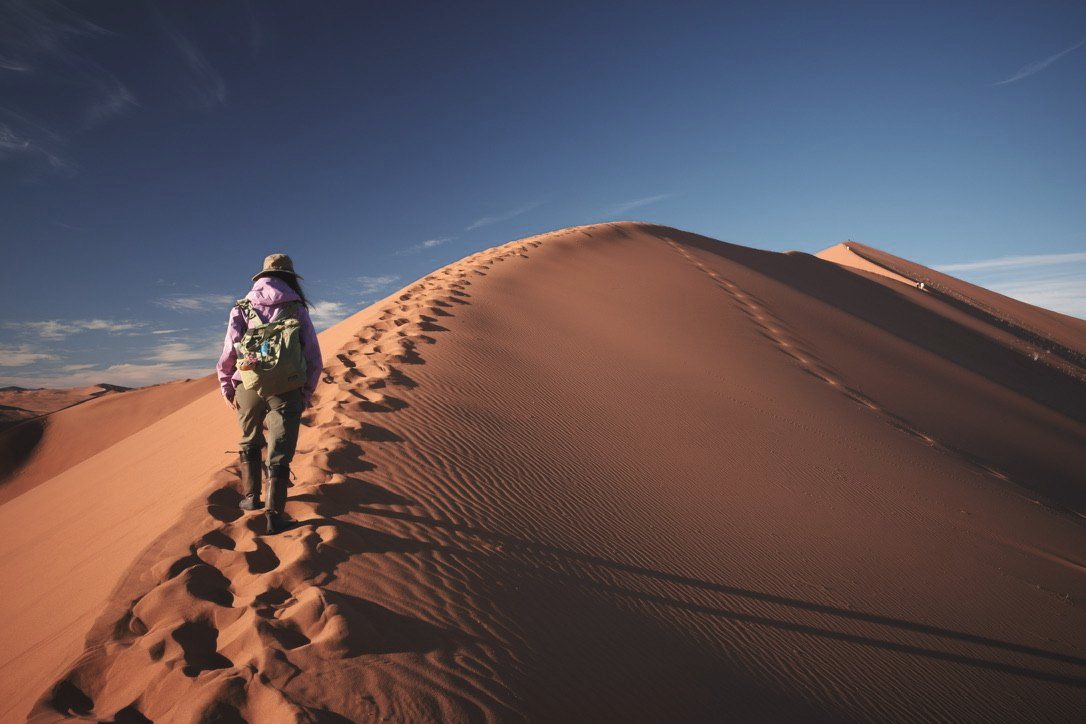
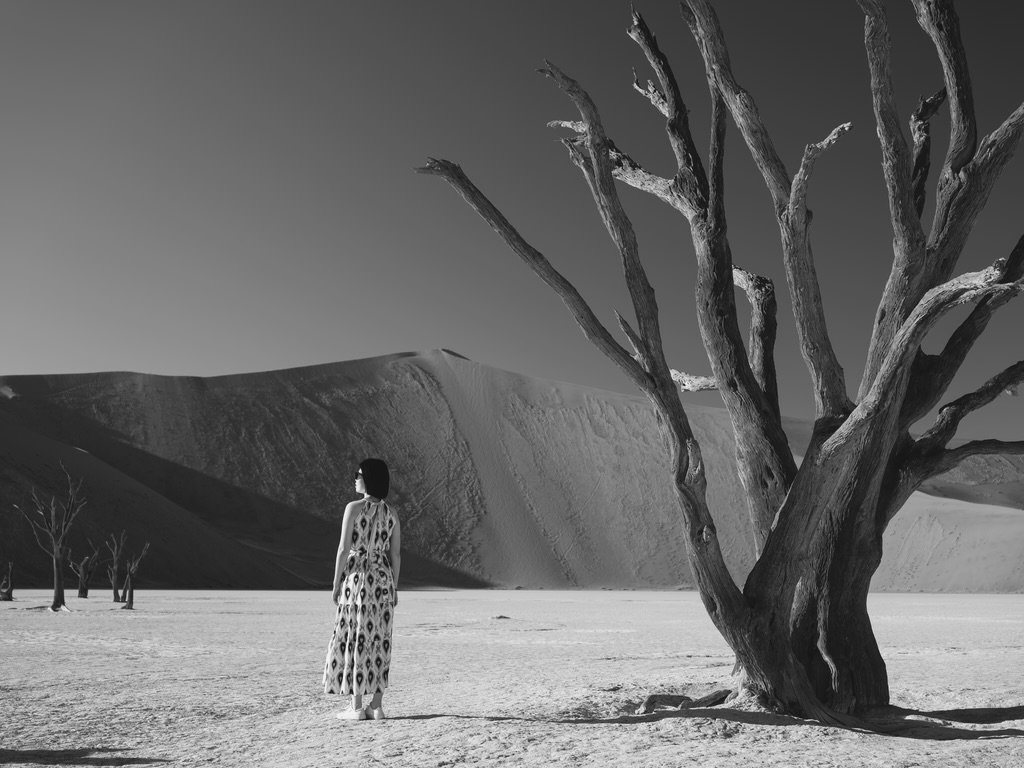
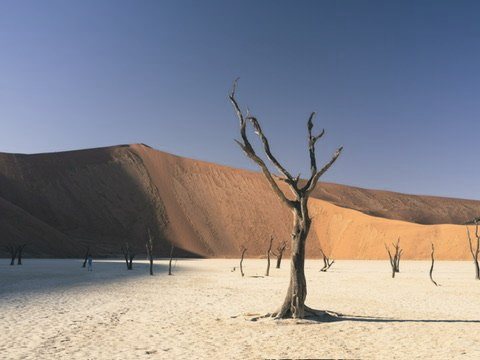
Head into the Namib, the world’s oldest desert. Climb a dune at sunrise to shoot its silky curves and bold shadows. In Deadvlei, camelthorn trees dead for centuries stand on white clay beneath towering red dunes – blue sky, red sand, white ground, black trees. Striking in colour or black and white, and great for portraits. At night, shoot the Milky Way under what’s been called “the world’s most beautiful night sky”.
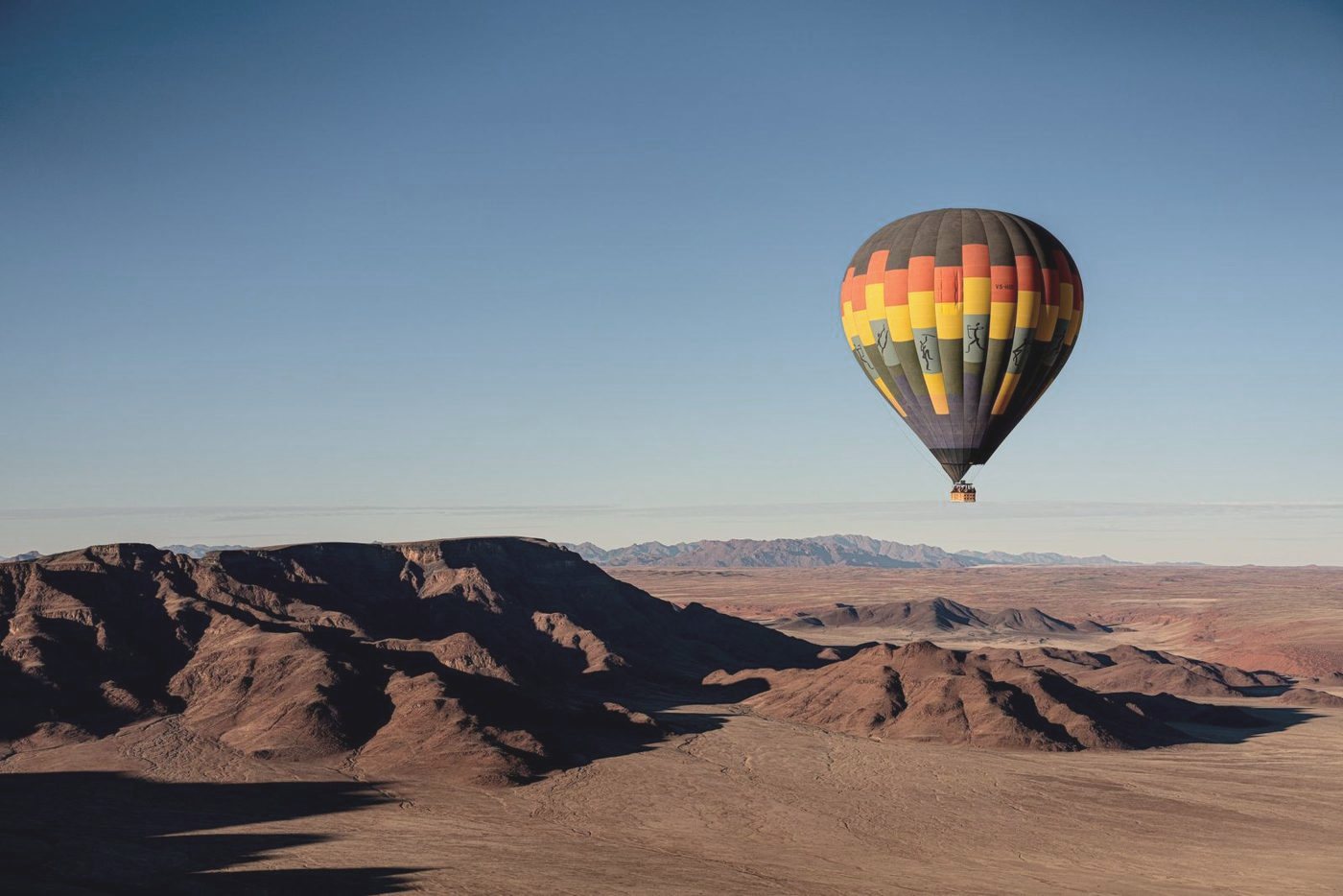
Don’t missHot-air balloon (optional, at own cost): lift off before dawn over a sea of red dunes, then land for a champagne breakfast deep in the desert.
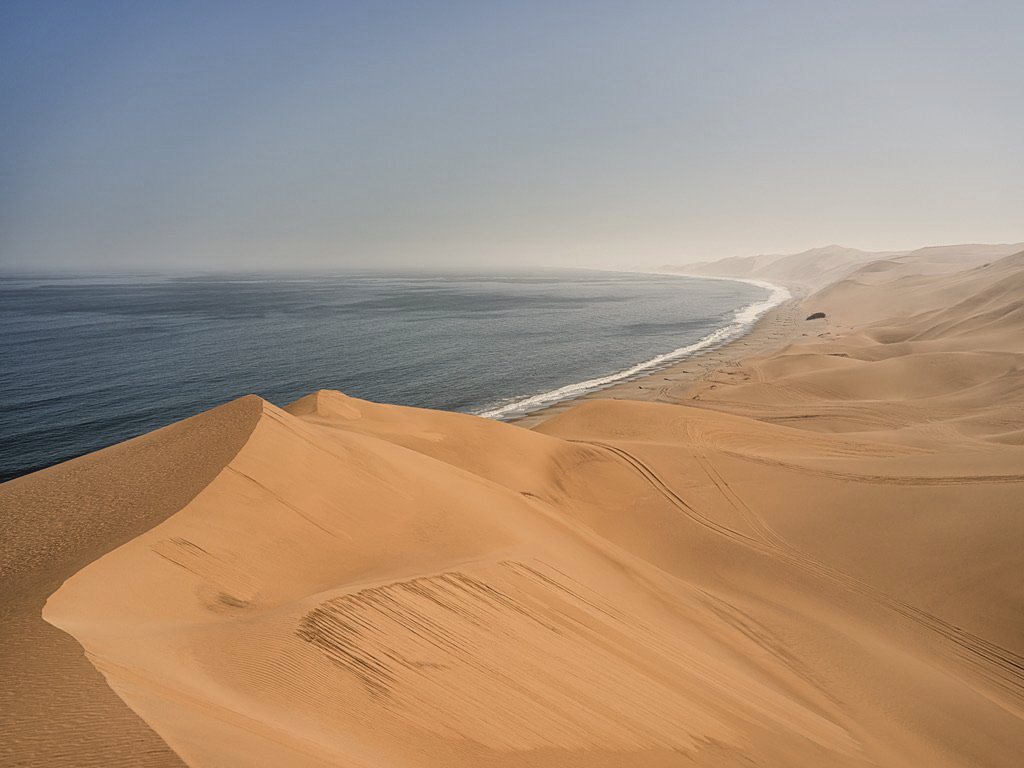
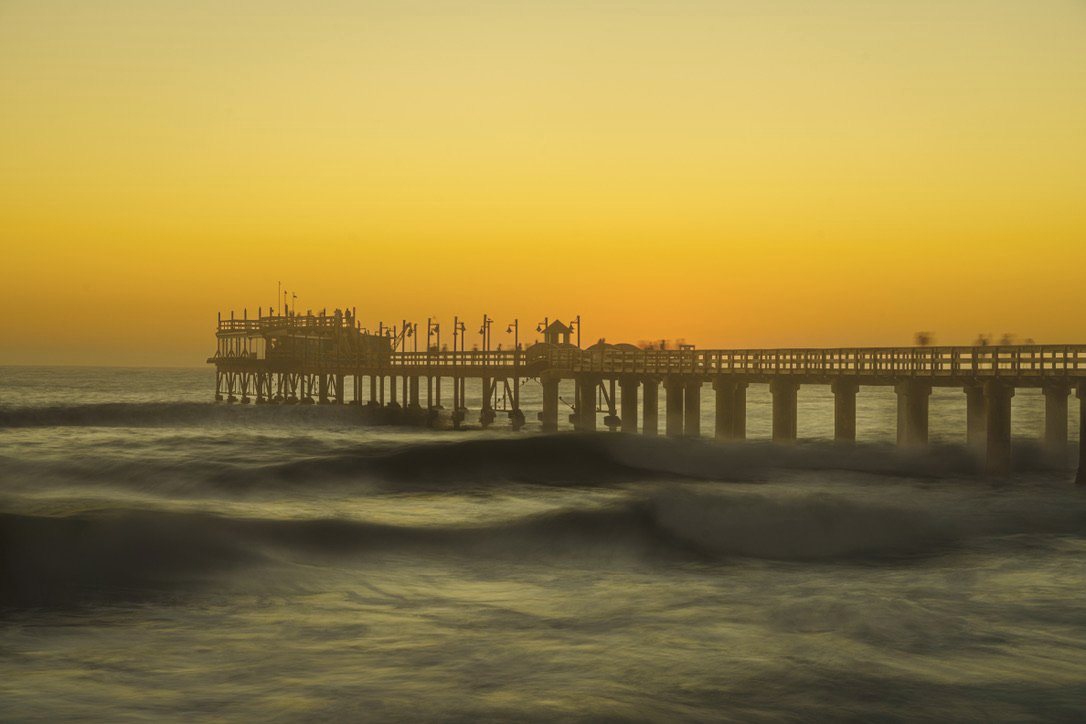
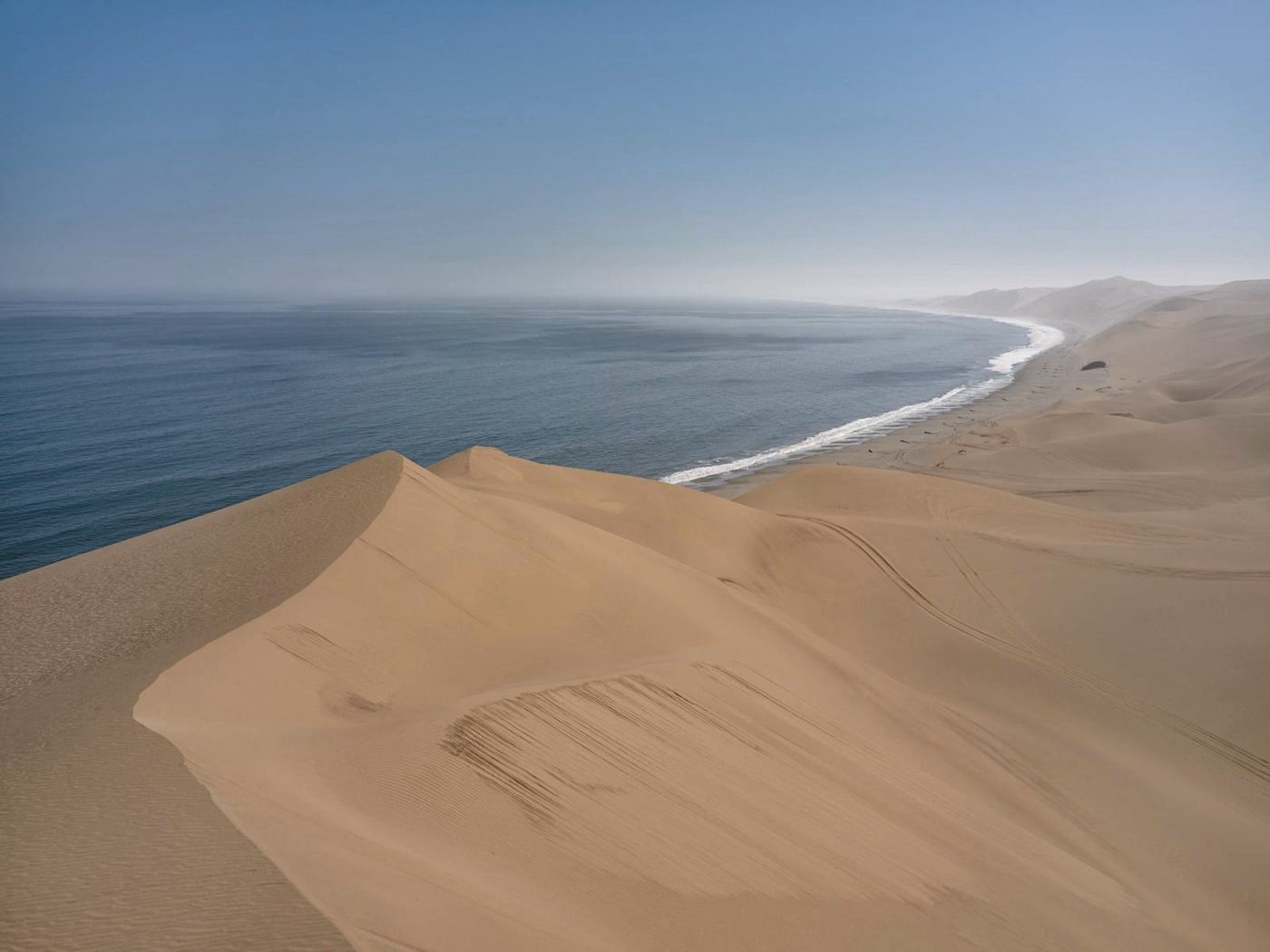
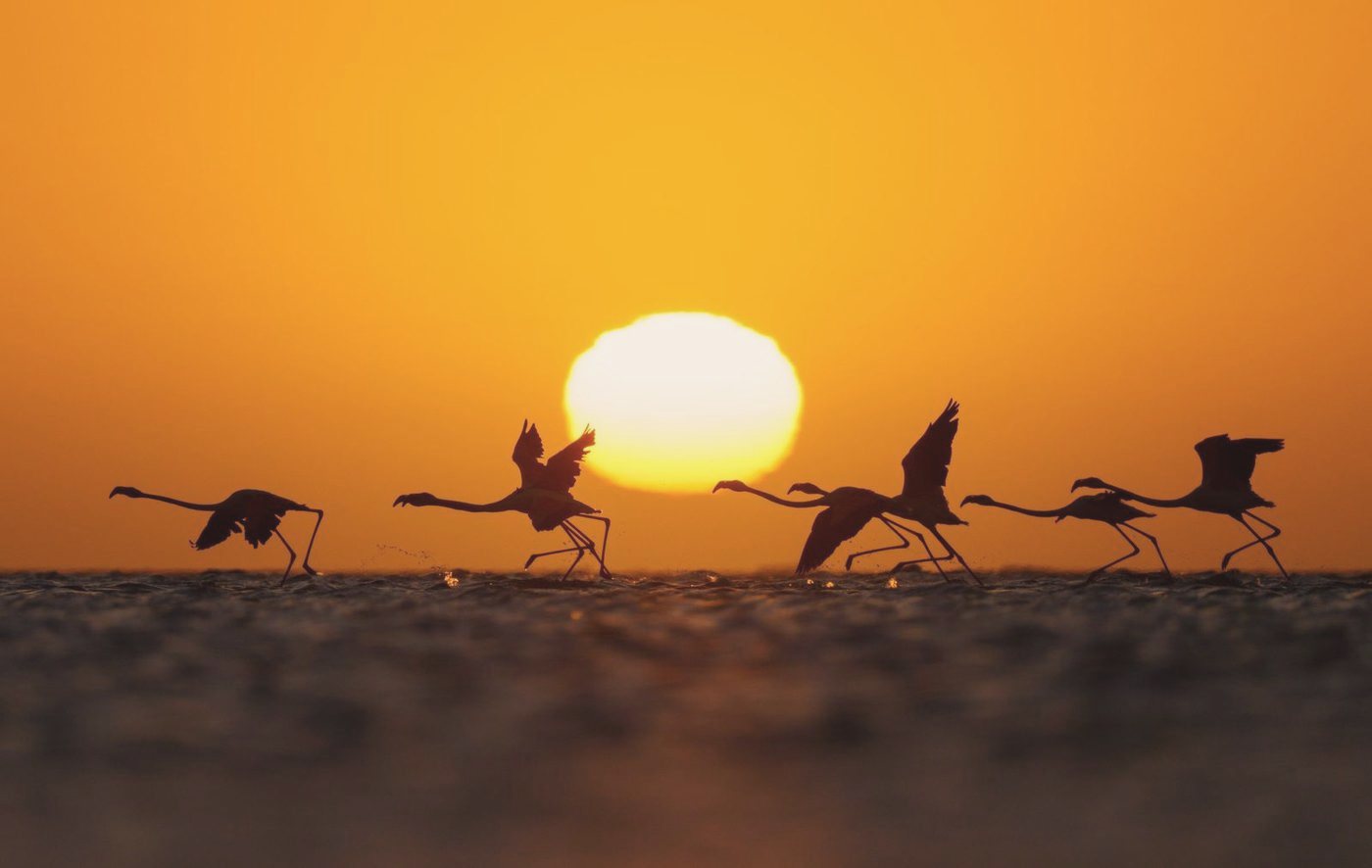
Here the dunes run straight into the Atlantic. Ride a 4WD through golden waves of sand, look out from the crest where red dunes meet the ocean, then take the thrilling drop down the dune face. Photograph flamingos at the lagoon, southern Africa’s largest flamingo habitat, and catch the Atlantic sunset from Swakopmund’s old jetty.
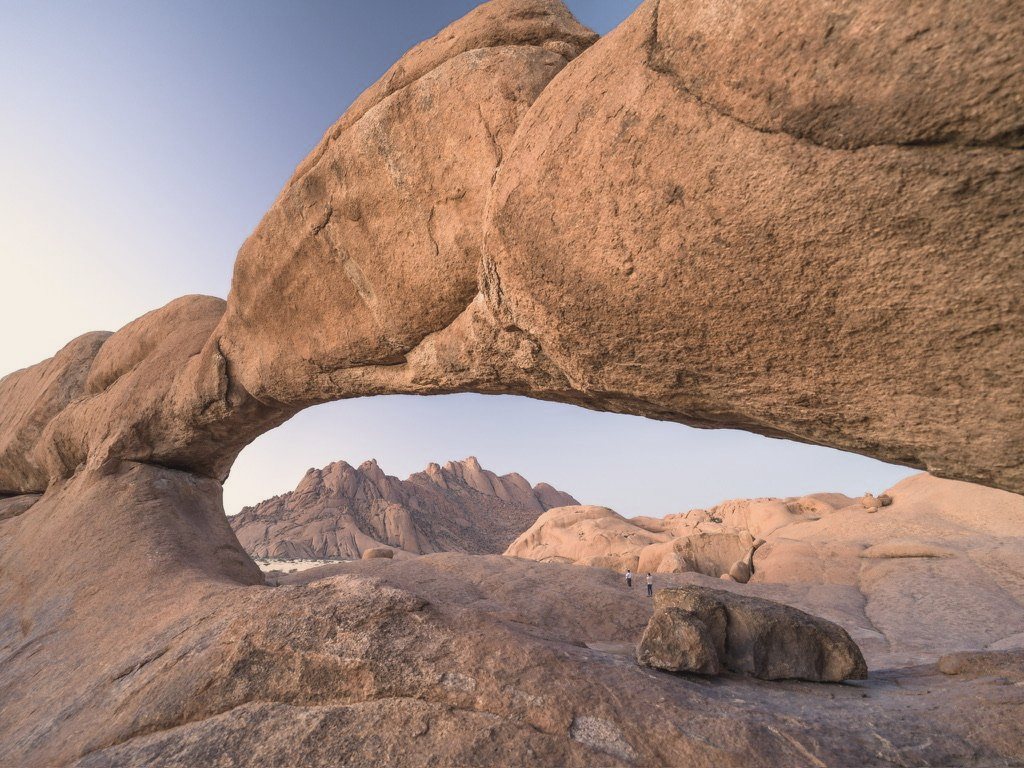
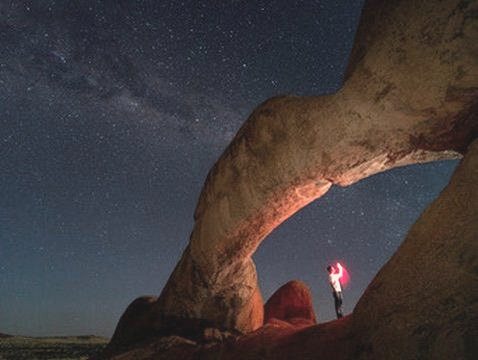
Namibia’s most photographed landmark rises about 1784 m from the plain and is over 700 million years old. Shoot the red granite at dusk and the stars through the rock arch at night.
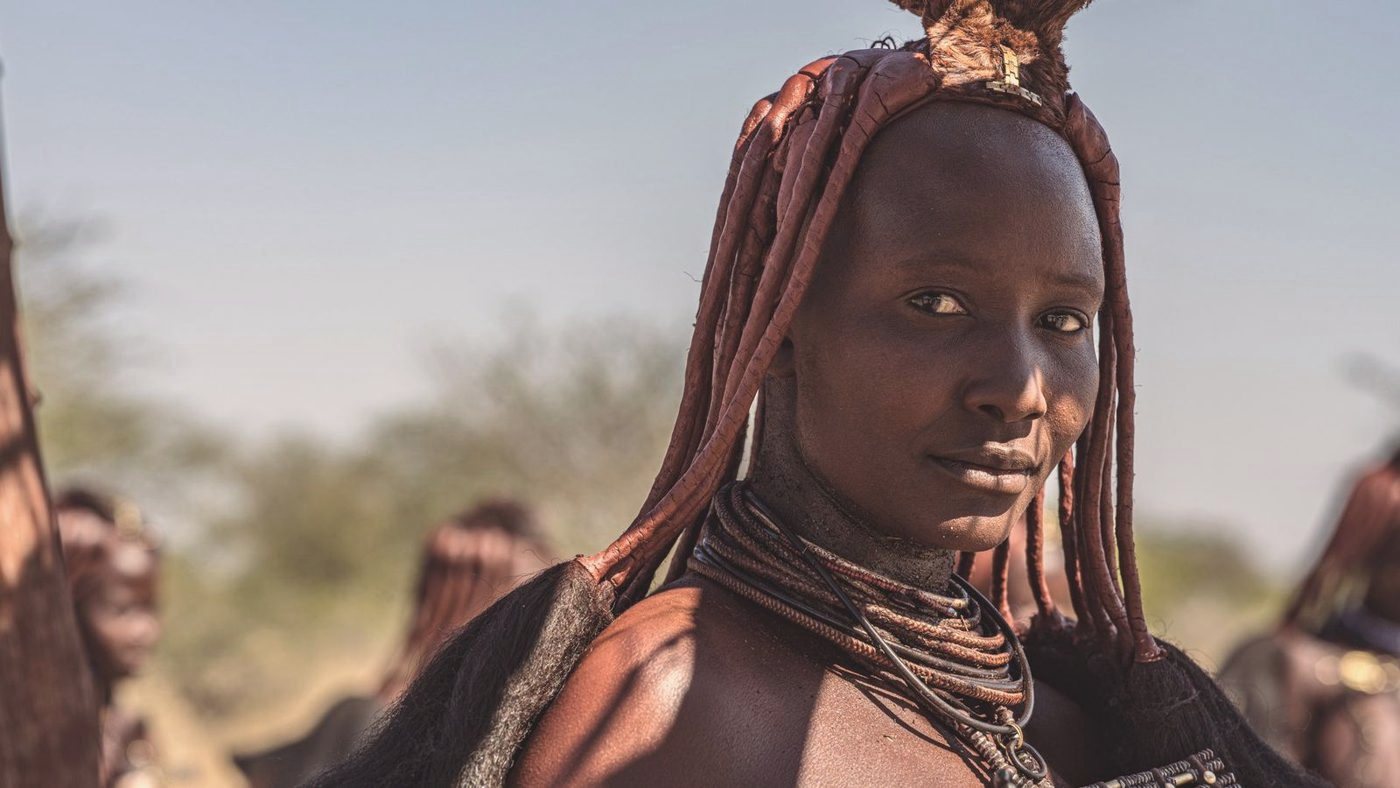
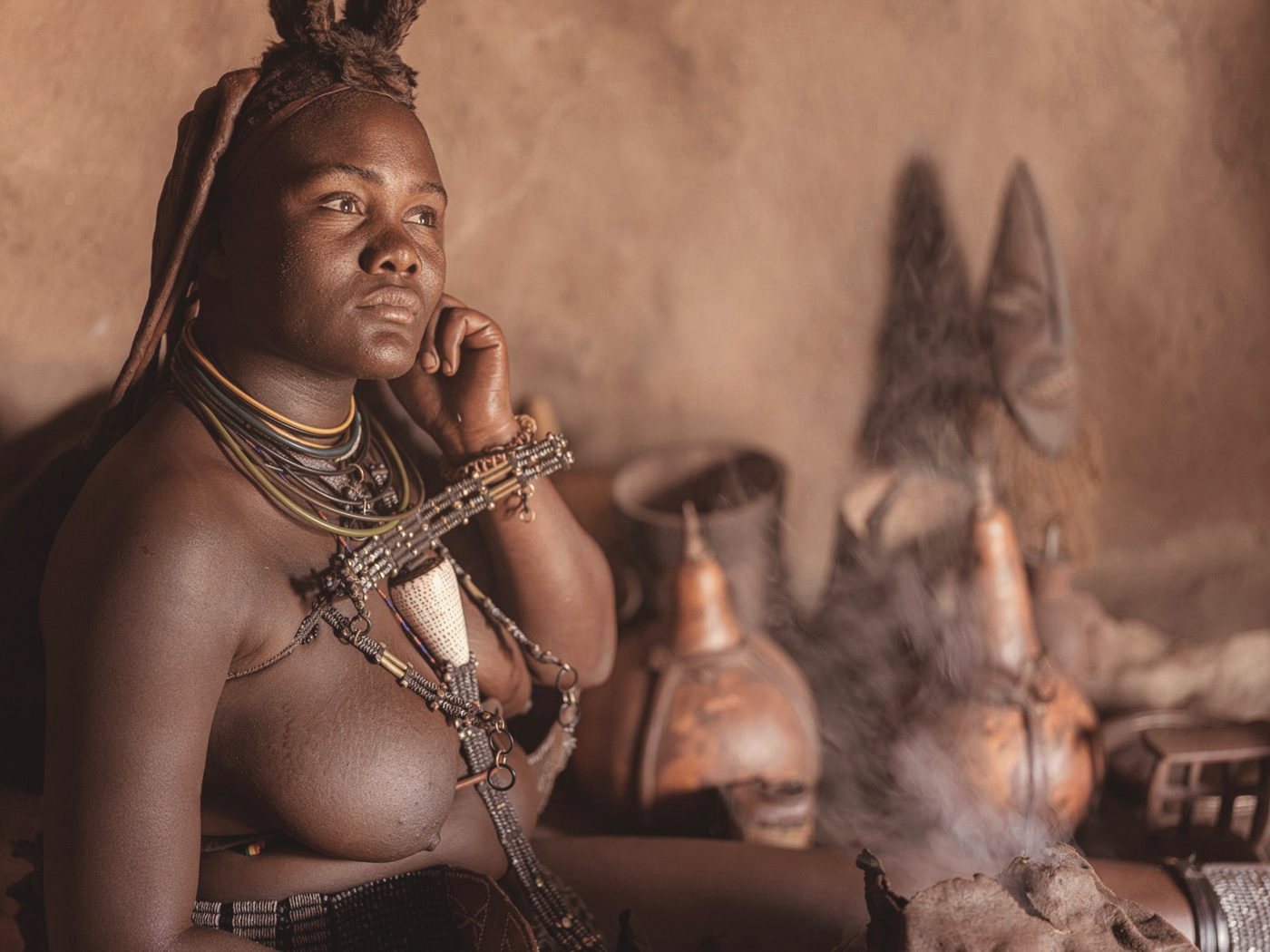
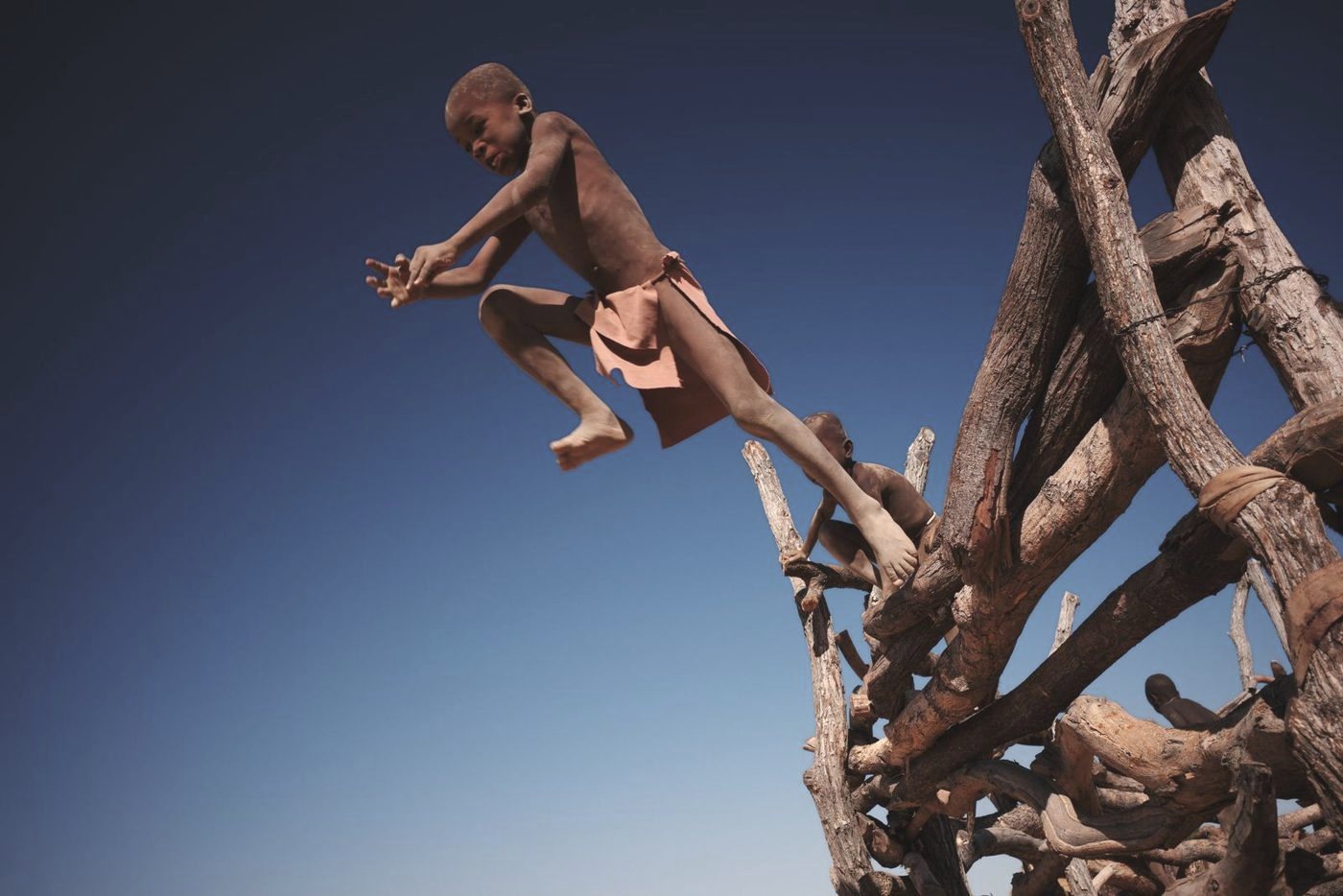
Visit a Himba village, where life has changed little in 500 years. The women coat their skin and hair year-round in red ochre and butterfat, earning them the name “red people” – Namibia’s most distinctive cultural subject.
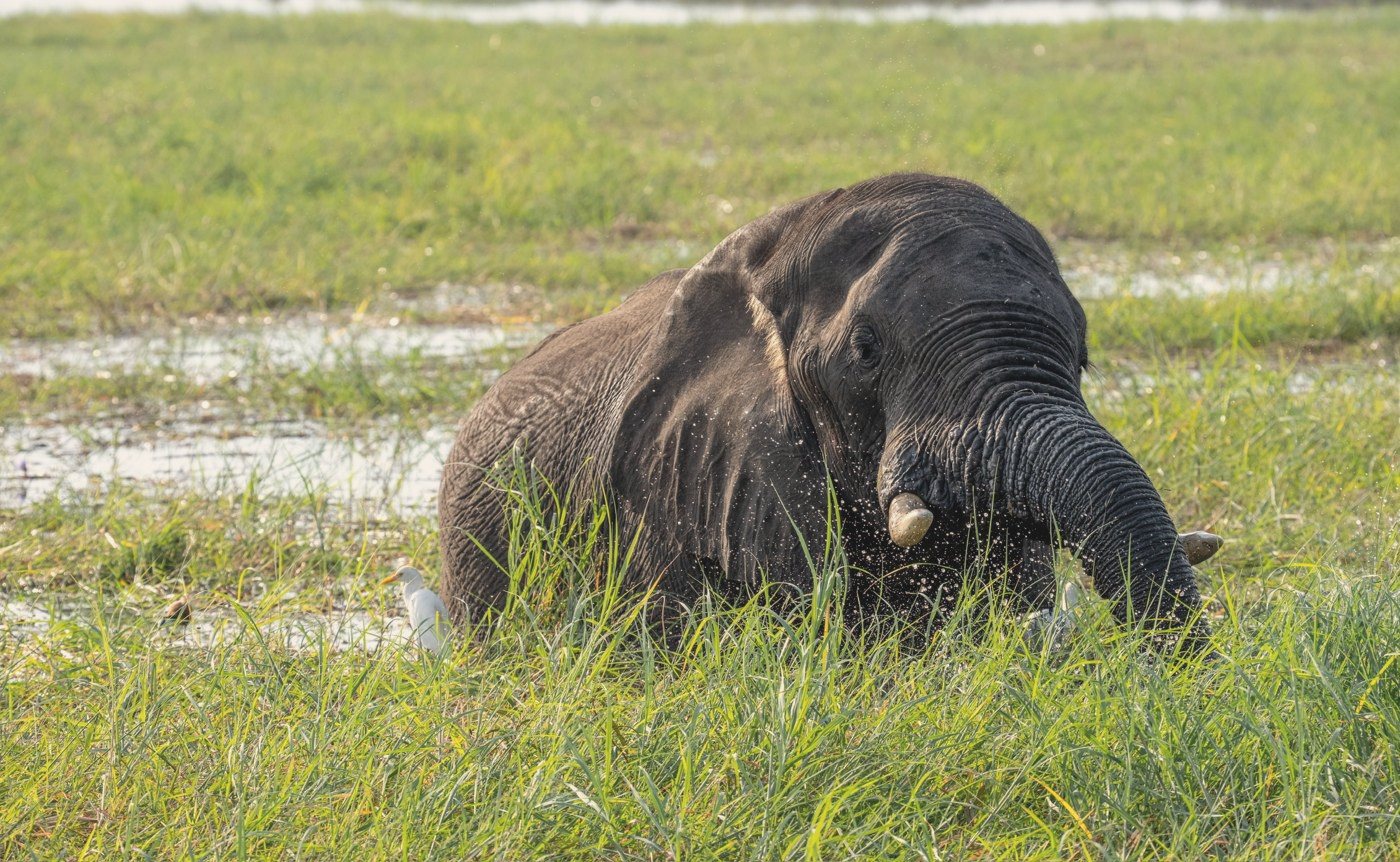
Shoot Victoria Falls, “the smoke that thunders”, its spray often hung with rainbows. Chobe has Africa’s largest elephant population: an afternoon 4WD safari, a morning boat trip on the Chobe River for reflections of wading elephants, and herd silhouettes at sunset. Overnight at Cresta Mowana Lodge.
A light aircraft takes us into the World Heritage-listed Okavango Delta, an inland wetland where a river disappears into the desert. In the afternoon, glide through the shallows by mokoro canoe as reflections merge with the sky and elephants drink in the distance. Overnight at Machaba Camp.
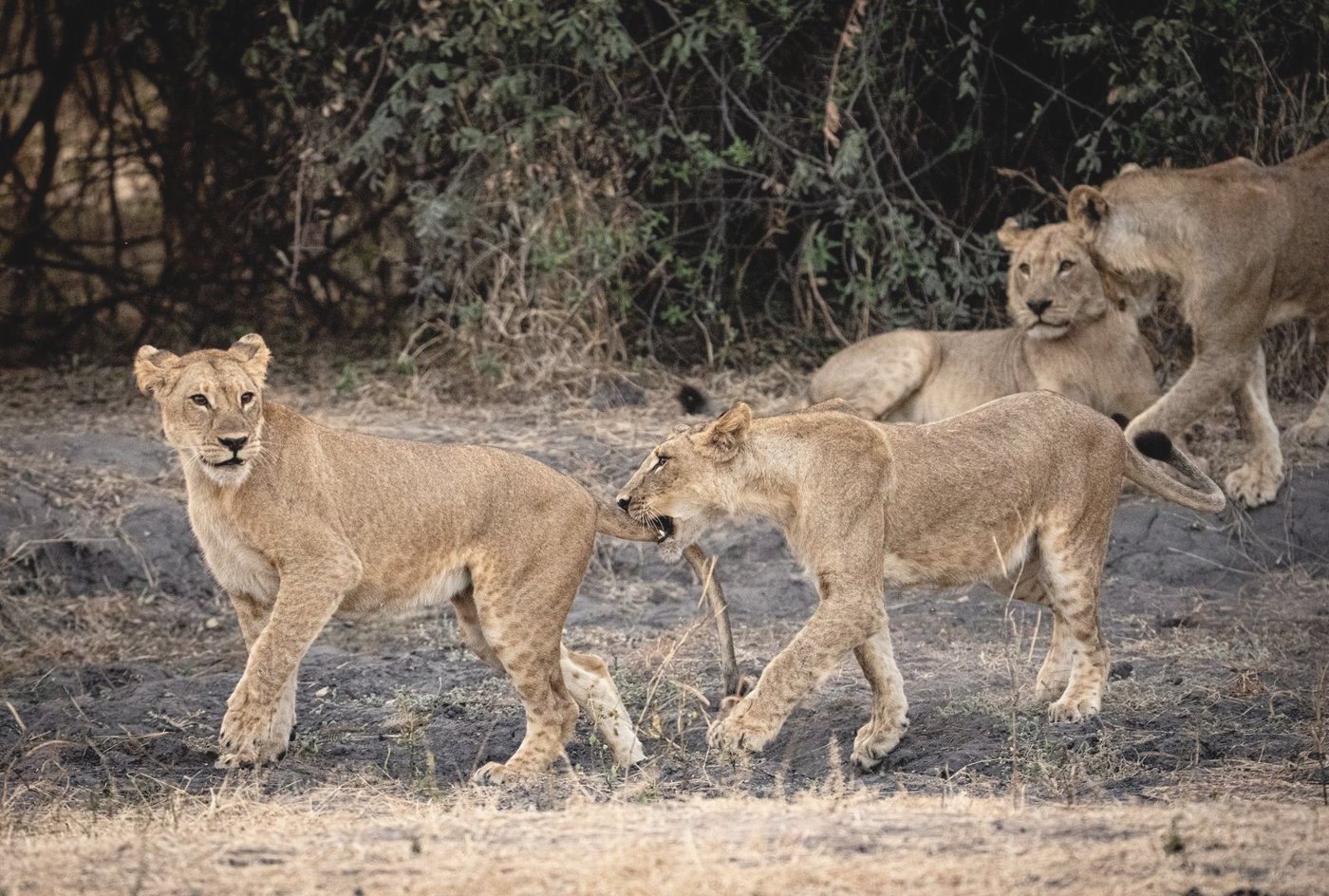
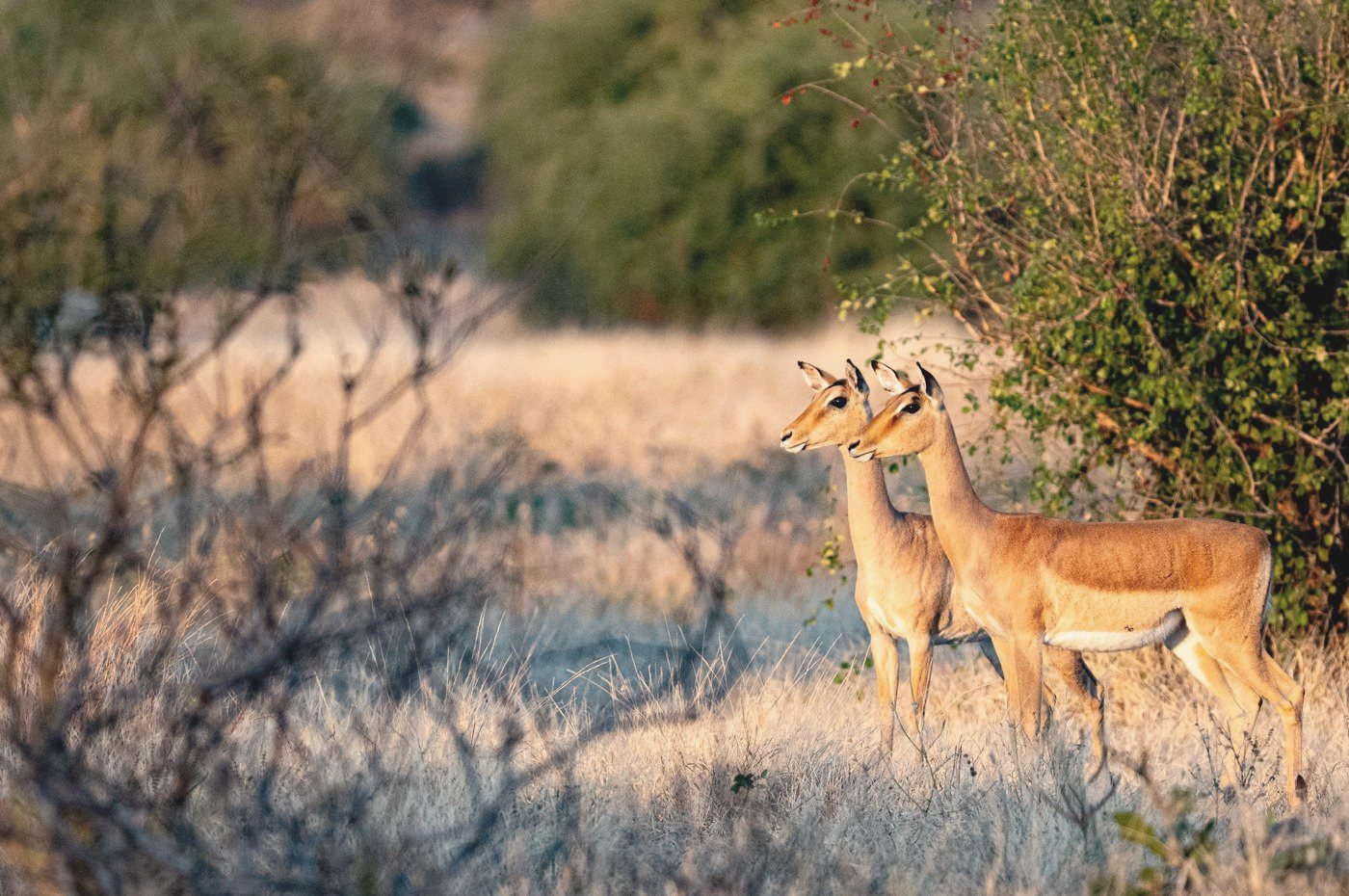
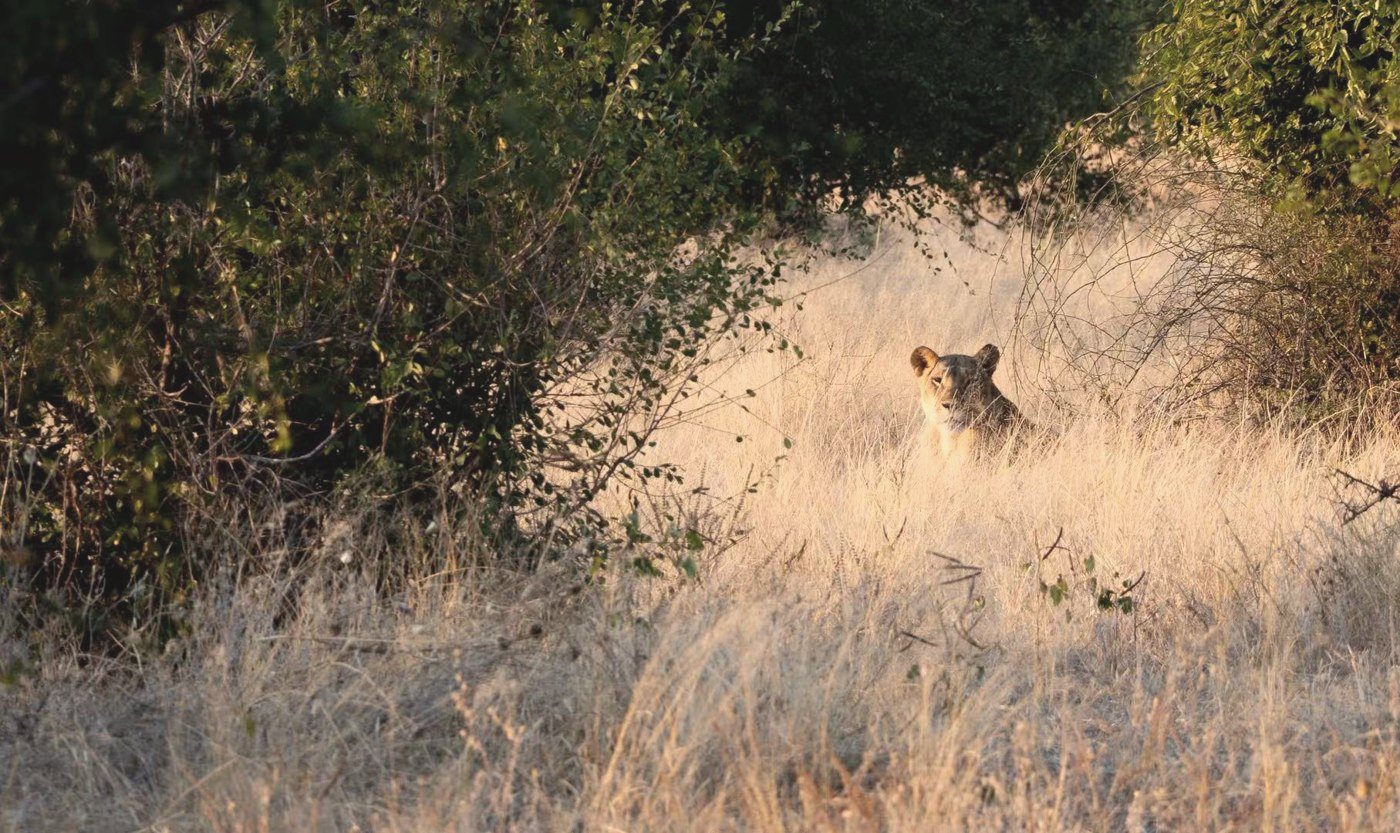
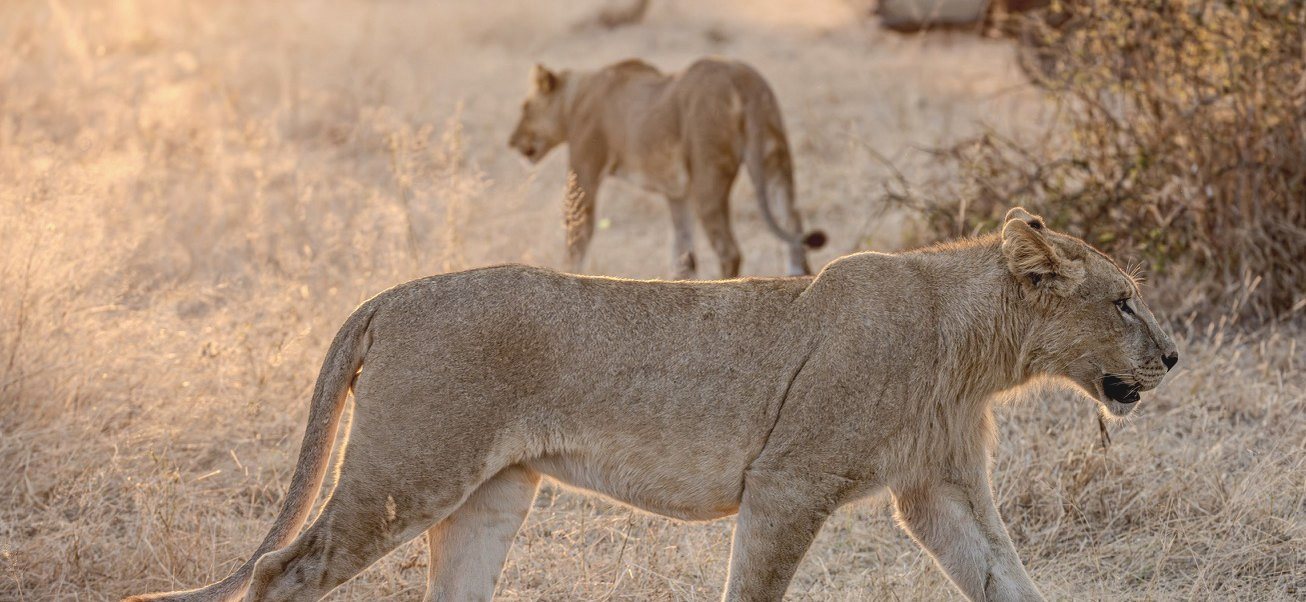
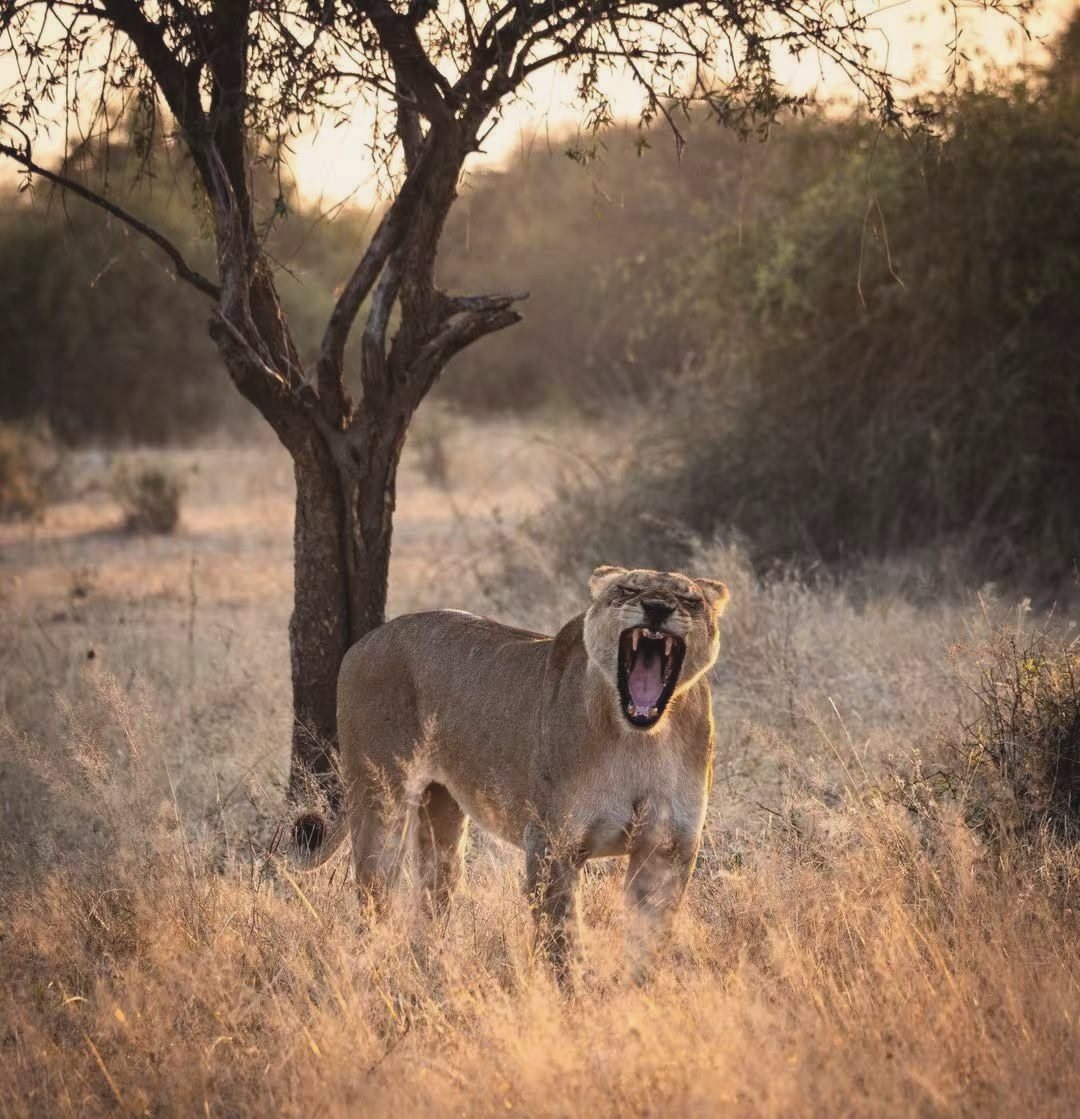
Leave before dawn for wildlife at its most active: leaping antelope, lions on patrol, elephants leading calves through the shallows, giraffes emerging from the mist. Rest after lunch, then head out again for Africa’s golden hour and sunset over the delta.
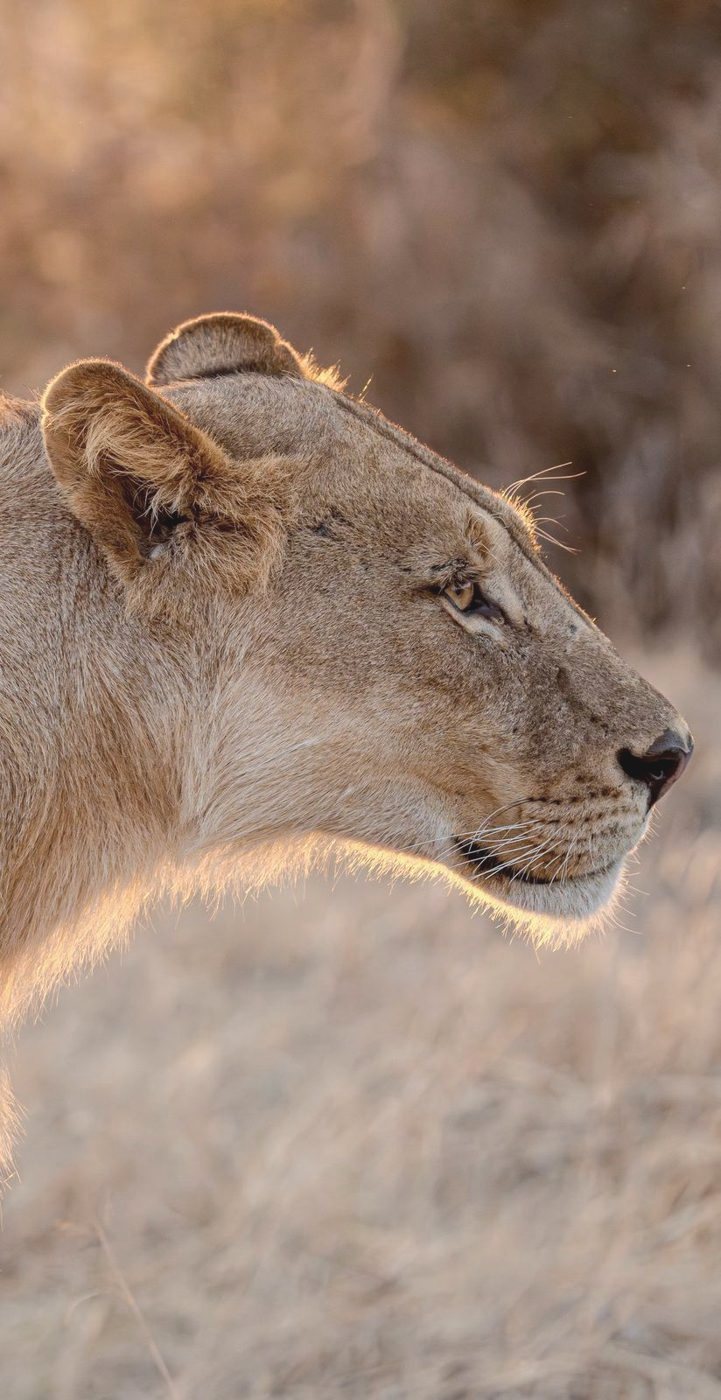
Fly out of the delta by light aircraft to Maun International Airport – one last look at Africa from the air.
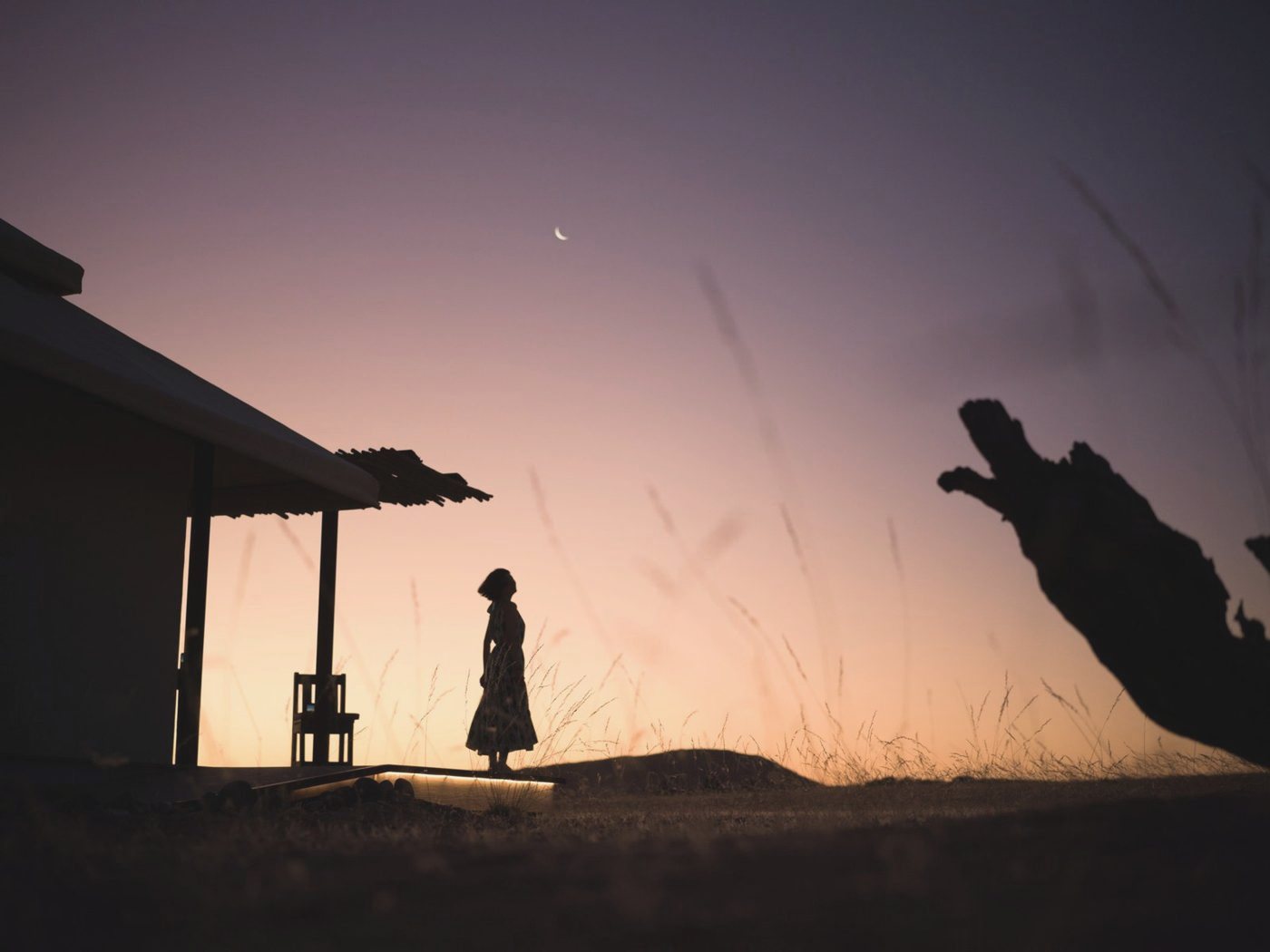
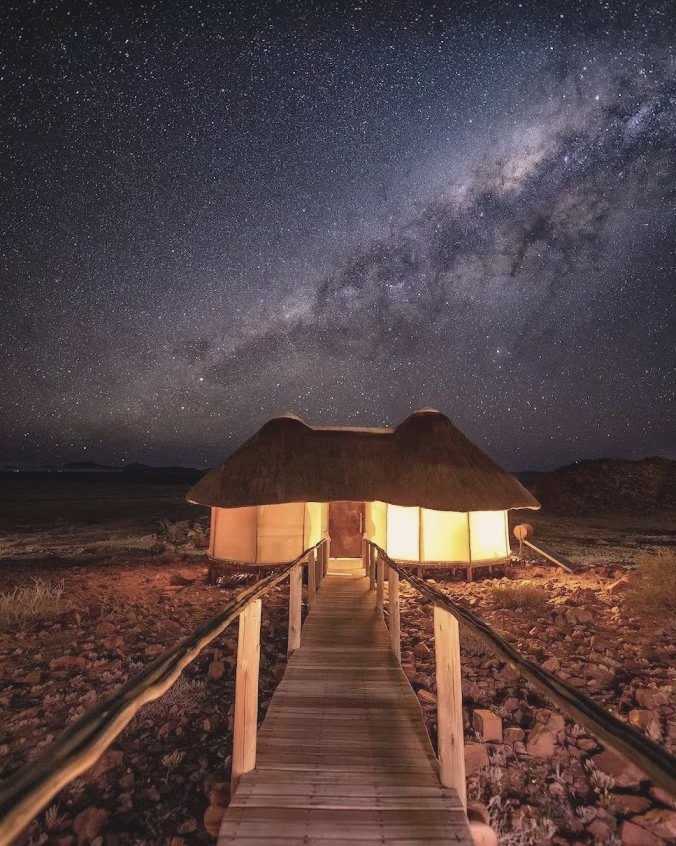
Handpicked hotels and camps, worth a photo in themselves
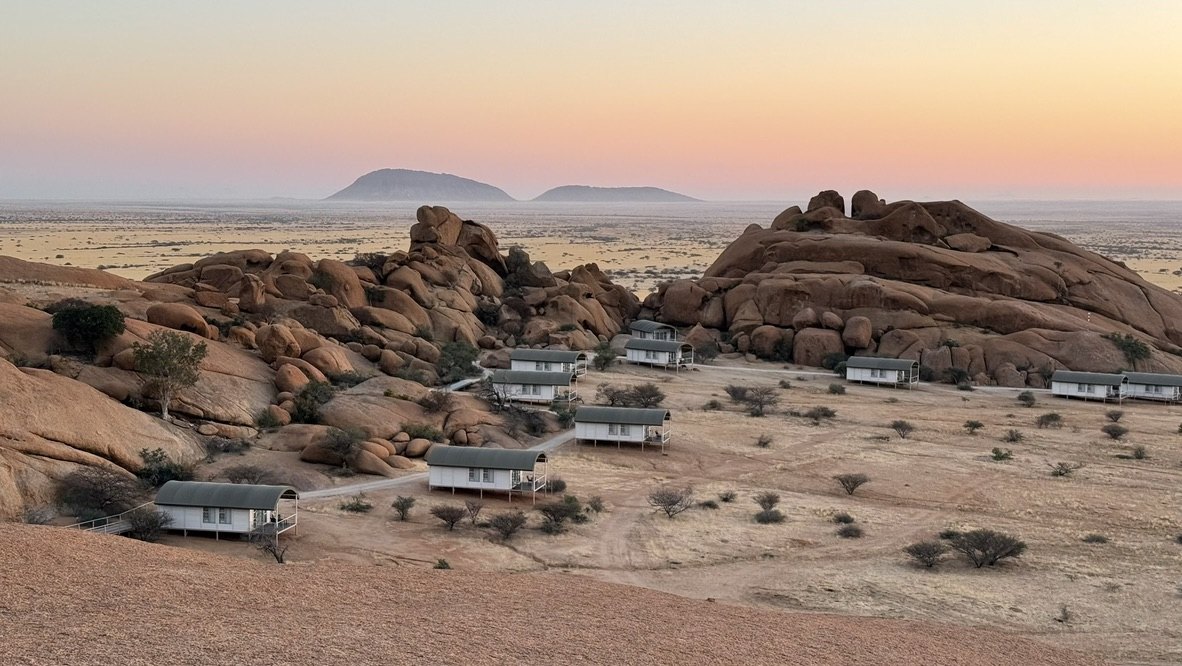
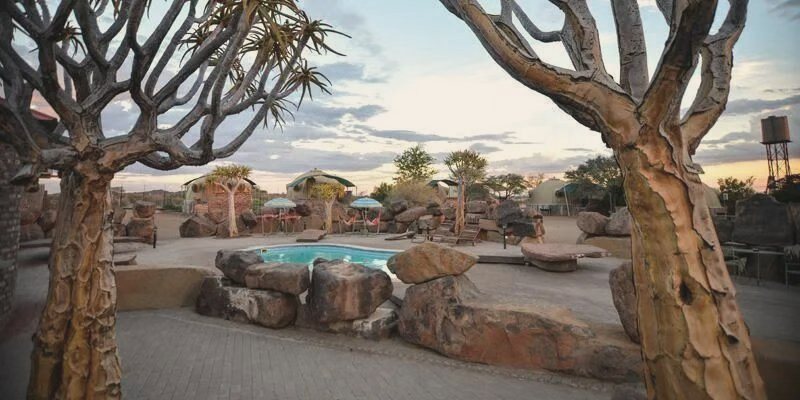
Our chalets sit among red granite boulders – sunset and star shots are right outside your door.
Red desert: a characterful hotel beside the dunes. Chobe: Cresta Mowana Lodge. Delta: Machaba Camp, a luxury safari camp.
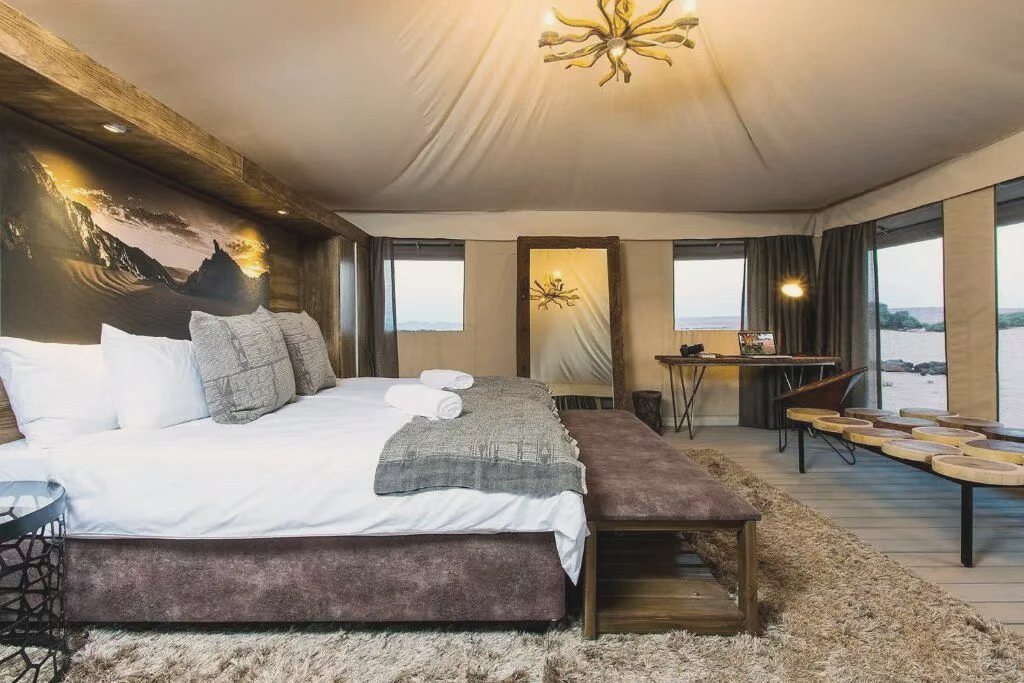
Private transfers throughout – more time for shooting.
Travellers from anywhere are welcome – we meet in South Africa or Singapore.
No. Beginners and experienced amateurs are all welcome, and the leader coaches you hands-on throughout.
Reasonable health and mobility is all you need.
Jun 2027 · dates TBC · 9 guests
Sign up